Planning branded clothing for an event
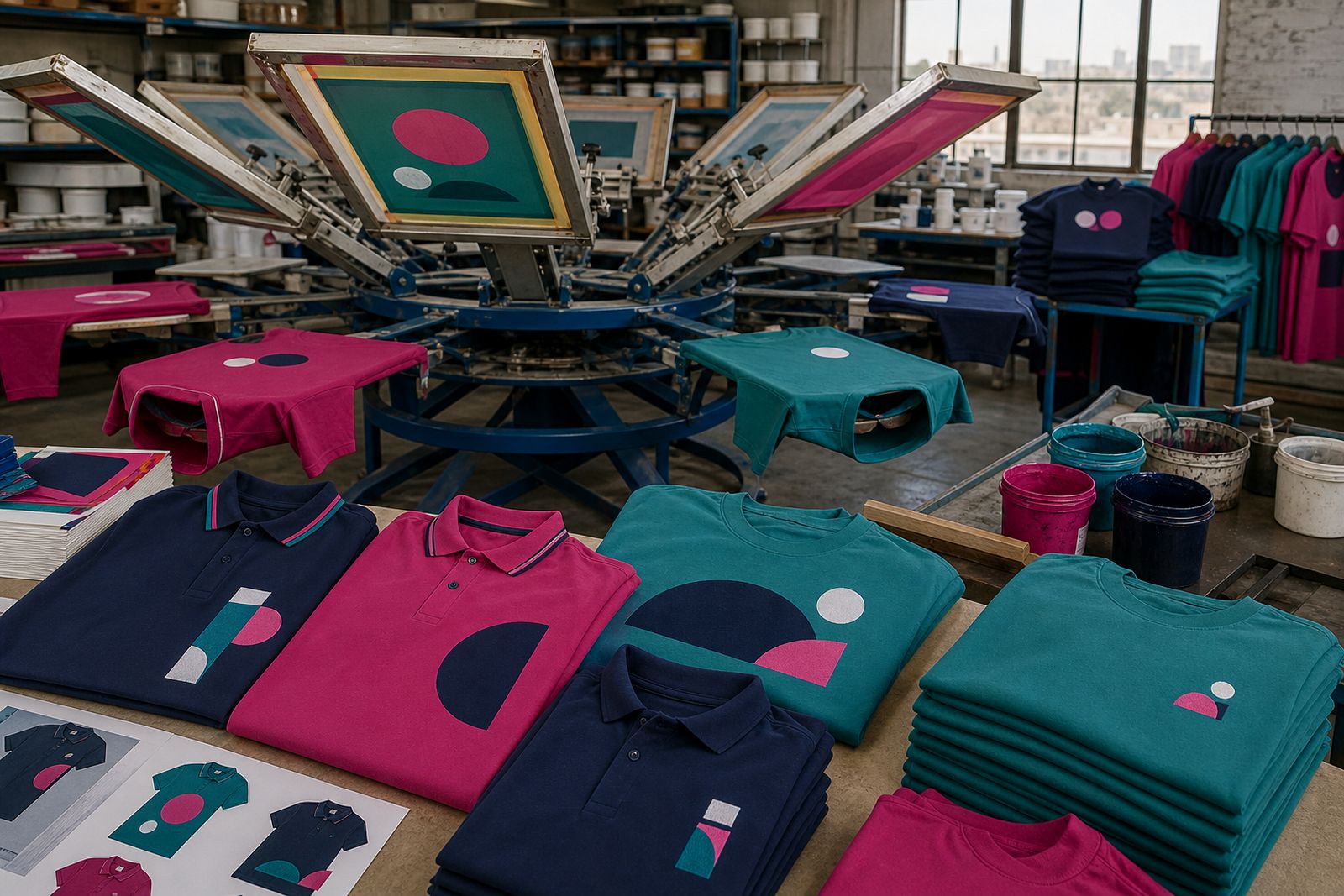
Branded t-shirts, caps and bags work best when the order is planned early and the details are clear. A few practical choices upfront can make the finished event wear easier to print, pack and wear.
Start with the job list
Before you send an enquiry, list each item you need and who it is for. Event clothing orders often include a mix of staff shirts, participant shirts, caps, bags or other promotional wear, so it helps to separate them clearly. Note the garment type, colour, print position and the quantity for each item.
If different groups need different branding, keep those versions distinct from the start. For example, staff uniforms may need a small crest print while fundraiser shirts may need a larger front print. Clear notes make it easier for Studio Silkscreen to quote correctly and keep production organised in our Johannesburg works.
Send the full brief through the contact form as early as you can, together with your artwork and any important dates for your event planning. The more complete the information, the easier it is to move from quote to production without avoidable back and forth.
Plan a sensible size spread
Sizes can be one of the most overlooked parts of event wear. If you are ordering for a school, company, organisation or race day, try to gather actual size requirements rather than estimating too roughly. A balanced size spread helps prevent too many leftovers in one size and shortages in another.
Where exact names are not available yet, work from the group you know is attending and build a sensible range around that. It is usually worth thinking about adults and kids separately, and about whether the garments are fitted, standard or intended to be worn over other clothing.
It is also wise to order a small spare quantity. Events are busy, lists change and late additions happen. A few extra garments can help with swaps, replacements or last minute participants, especially where shirts are being handed out on the day.
Match garment colour and print colour carefully
The colour of the garment matters just as much as the colour of the design. Light garments and dark garments do not behave the same way in print, and a design that looks clear on white may need adjustment on navy, black or other darker colours. Strong contrast usually gives the cleanest result and the easiest reading from a distance.
For event wear, legibility is often more important than subtle colour choices. If names, sponsors, route details or group identifiers are part of the artwork, choose ink colours that stand out clearly from the fabric. Caps and bags also need the same thinking, because the item colour can either support or weaken the branding.
If you are unsure, include the garment colour options with your enquiry. Studio Silkscreen handles artwork in house and can advise on practical colour choices for print areas and colours before the job goes into production.
Keep the design practical
Event clothing usually works best when the design is kept clean and direct. Fewer print colours often make a design easier to read and easier to apply consistently across different garments such as t-shirts, golf shirts, bags and caps. A simple logo, event name and date can have more impact than a crowded layout.
Artwork should be supplied in vector format where possible. CorelDRAW, PDF, AI and EPS files are suitable when fonts are converted. Vector artwork is the best option for spot colour work because it keeps shapes and text crisp at print size. If you only have bitmap artwork, it should be at least 300 dpi at the final size.
If your order includes more than one item, try to keep the branding consistent while allowing for the limits of each product. A full front print may suit a shirt, while a smaller version of the same logo may be better on a cap or bag. If you need help preparing files, see artwork for what to send.
Send the details early and in one place
The smoothest event orders usually come from one clear enquiry that includes all the main details together. That means garment types, colours, sizes, quantities, print positions and artwork files, plus any notes about who gets what. When everything arrives together, the written quote can reflect the actual job more accurately.
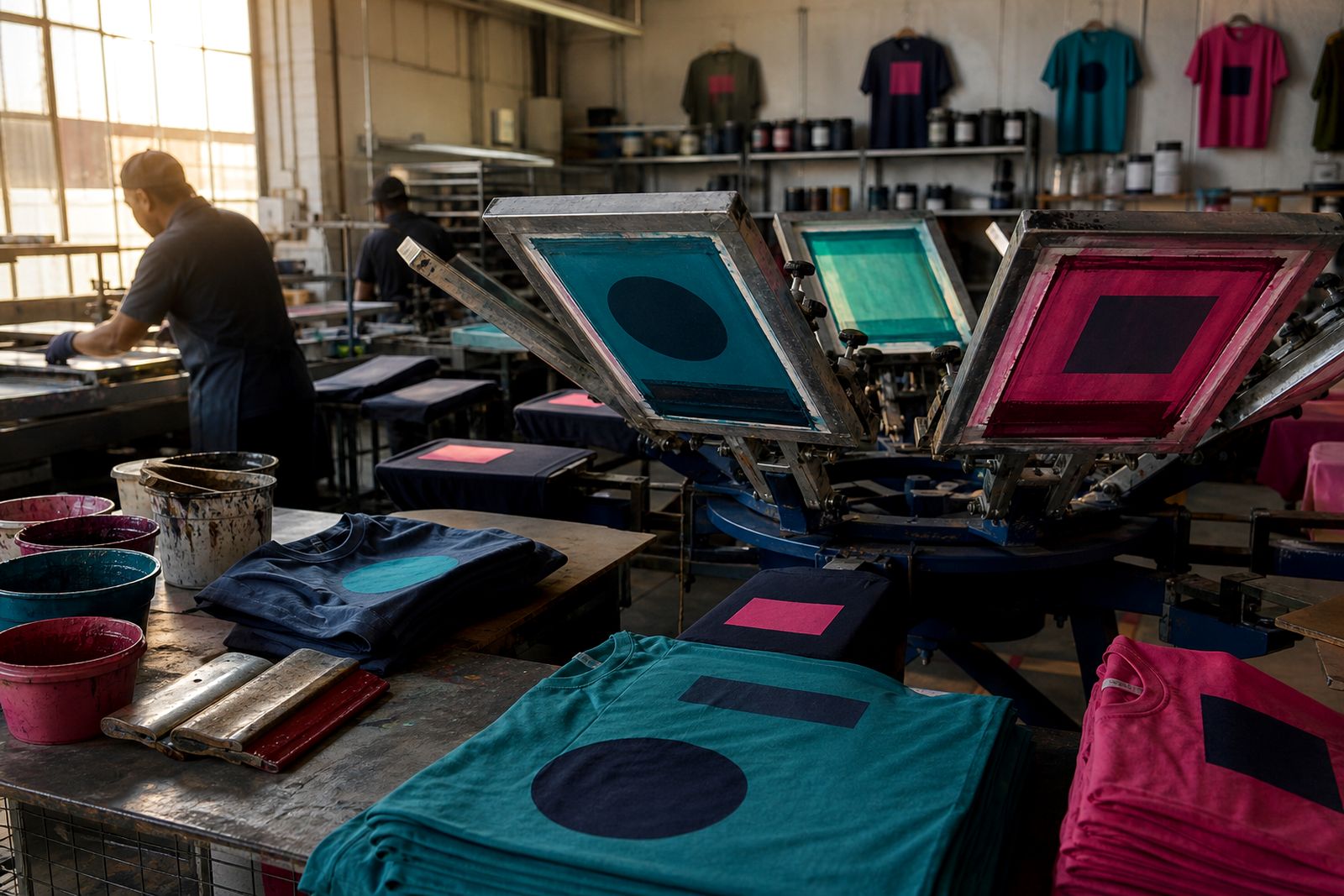
Studio Silkscreen does the work in house, from artwork preparation through production and quality control. Once the order details are confirmed, garments can be printed, embroidered or transferred in our own works, then collected or sent by courier.
To get started, send your brief through the contact form. If you are still weighing up methods for different items, you can also read Screen printing, embroidery or transfers for a simple comparison.
Also worth a look
Get a quote for your printed clothing
Send the garments, quantities, colours and your artwork through our contact form and we will come back with questions or a written quote.
Open the contact form